Best Practices for Tree Trimming & Pruning: Safety and Timing
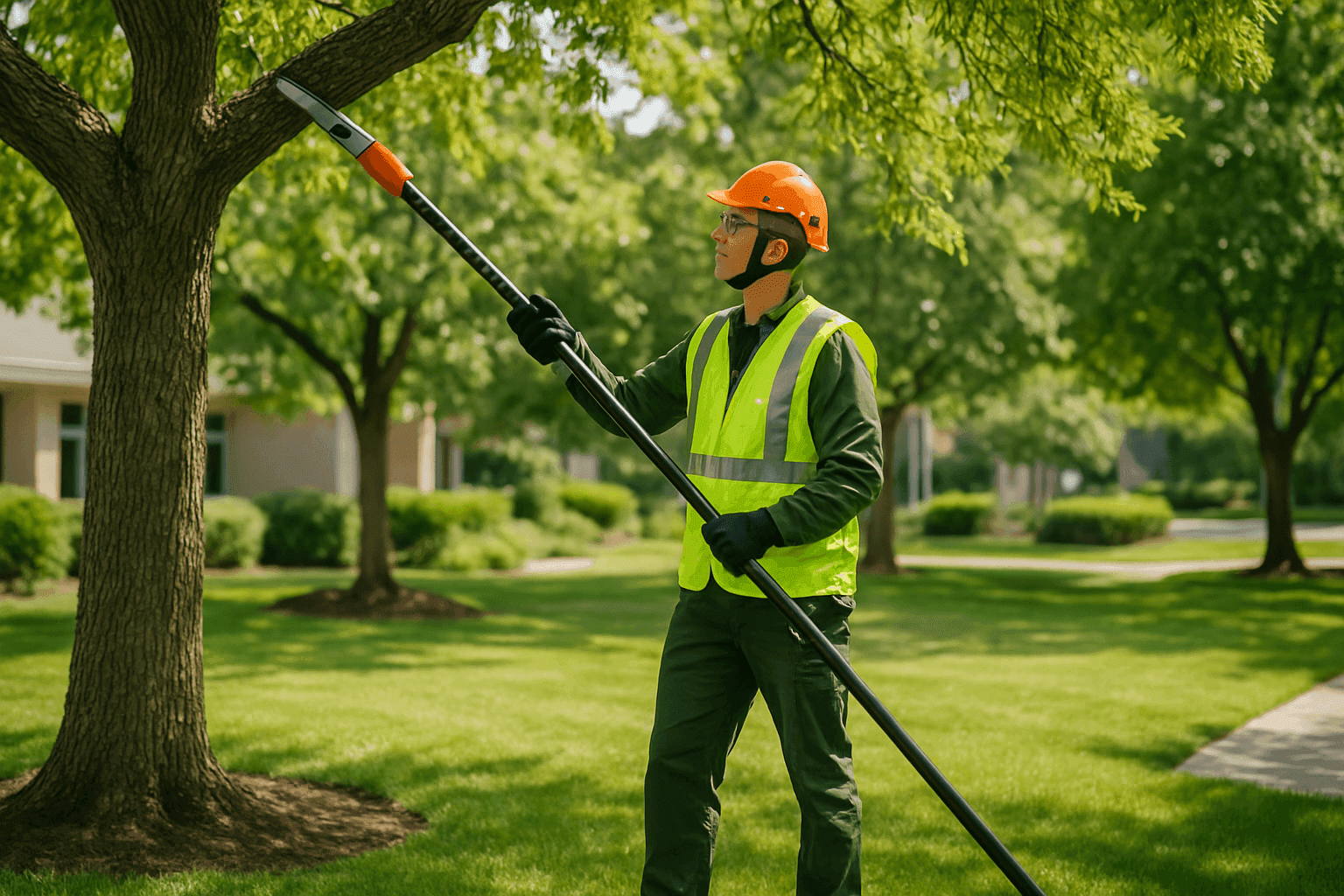
Trees are the backbone of any landscape—giving shade, privacy, and a sense of calm that’s hard to find elsewhere. But without regular trimming and pruning, even the mightiest trees can turn into headaches. Overgrown branches, falling limbs, and hidden hazards can spell trouble for your property—and even your safety.
At J & G Landscaping, we’ve seen it all: storm-damaged oaks, tangled maples, and beautiful yards spoiled by neglected trees. Safe, timely pruning is more than a chore—it’s an investment in your landscape’s health and your peace of mind.
Why Tree Trimming Matters 🌳
A tree isn’t just another plant in the yard. It’s a living structure, constantly growing and changing. When left alone, branches may crowd each other, block sunlight, or stretch too close to your home. Sometimes, those limbs become weak—ready to snap with the next gust of wind.
Here’s what proper tree trimming and pruning really deliver:
- Healthier Trees: Removing dead or diseased branches helps trees heal and thrive.
- Improved Safety: Spotting and removing hazardous limbs reduces risks to people, buildings, vehicles, and power lines.
- Better Curb Appeal: Well-shaped trees add beauty and value, making your landscape welcoming for visitors, customers, or tenants.
- Stronger Growth: Strategic cuts encourage sturdy, balanced growth, preventing lopsided canopies or weak limbs.
- Storm Preparation: Pruning before storm season means fewer surprises when heavy weather hits.
Skipping regular maintenance? That’s like leaving your roof to the rain. Over time, damage adds up—sometimes in ways you can’t even see from the ground.
Best Times to Prune Trees
Timing matters as much as technique. Pruning too early or late can stress a tree or open the door to pests and disease.
- Late Winter/Early Spring: Most trees benefit from pruning while still dormant, just before new growth appears. Cuts heal faster, and the risk of disease is lower.
- After Blooming (for Flowering Trees): Prune just after flowers fade, so you don’t miss next year’s blooms.
- Summer Touch-Ups: Light trimming for shape or to remove damaged branches is safe for most species.
- Avoid Fall: Fresh cuts in autumn can invite fungal infection—trees are winding down, not healing up.
If you’re unsure, check guidelines from the International Society of Arboriculture or ask a certified arborist. Remember, some species (like maples and birches) bleed sap if pruned in spring, so timing may vary.
Essential Safety Gear and Practices 🦺
Tree trimming isn’t a casual weekend project. It’s risky—especially near power lines, on slopes, or with mature trees. The right gear and habits make all the difference.
Wear:
- Hard hat and safety glasses (for falling debris)
- Sturdy gloves (for grip and protection)
- Non-slip boots (especially on wet or uneven ground)
- Hearing protection (if using chainsaws or power trimmers)
- Long pants and sleeves (to guard against scratches)
Always:
- Inspect tools before starting—dull blades or loose handles can turn simple jobs dangerous.
- Work with a partner when possible—never trim large branches alone.
- Keep the area clear—no kids, pets, or bystanders underfoot.
- Check for overhead hazards—branches, wires, even beehives.
- Use ladders correctly—set on firm ground, never overreach, and never cut above your head.
For jobs near power lines or at heights, call a professional. The Occupational Safety and Health Administration (OSHA) and local codes outline strict rules for a reason.
DIY vs Professional Trimming
It’s tempting to grab a saw and handle things yourself. For small, low-hanging branches, a little DIY effort can work. But not all jobs are created equal.
DIY is reasonable when:
- Branches are under 2 inches in diameter and easy to reach.
- The tree is healthy, with no signs of pests, rot, or disease.
- You’re working on ornamental shrubs or young trees.
Call in a pro when:
- Branches are large, heavy, or high up.
- The tree is close to buildings, fences, or power lines.
- There’s evidence of disease, fungus, or structural weakness.
- You need shaping for safety or aesthetics.
Professionals bring more than just sharp tools—they bring training, insurance, and a sharp eye for hidden hazards. Improper pruning can leave wounds that never heal, weaken the tree, or create dangerous situations for years to come.
The Risks of Improper Pruning
A bad cut is more than an eyesore. It’s a wound your tree—and your property—may not recover from.
- Topping: Cutting off the top of a tree stunts growth and encourages weak, spindly branches.
- Flush Cuts: Slicing too close to the trunk removes the branch collar, slowing healing and inviting rot.
- Over-Pruning: Removing more than 25% of a tree’s canopy in one season can starve it of energy and stunt growth.
Mistakes like these often lead to decay, pest infestations, or outright tree failure. In some cases, property owners can be liable if a neglected tree causes harm in a storm.
Identifying Hazard Limbs and Storm Prep
How do you know a branch is trouble? Look for:
- Cracks, splits, or hanging branches (“widowmakers”)
- Limbs growing over roofs, driveways, or sidewalks
- Branches with visible rot, fungus, or hollow spots
- Trees leaning suddenly or with exposed roots
Before storm season, walk your property and check for these red flags. Don’t forget trees along the curb or near parking areas—a fallen limb can damage more than just your lawn.
Maintaining Tree Health Year-Round
A healthy tree is less vulnerable to storms and pests. Here’s how to give yours a fighting chance:
- Mulch: Add mulch around the base (but not against the trunk) to retain moisture and protect roots.
- Water: Deep water during dry spells, especially for new plantings or after trimming.
- Inspect: Check trees each season for signs of stress or disease.
- Fertilize: Use slow-release fertilizers if soil tests show deficiencies.
- Prune regularly: Stick to a schedule—don’t wait for emergencies.
Partnering with a landscaping crew for routine care (just like “Retaining Walls near you” or regular garden bed maintenance) keeps everything in balance.
DIY vs Professional Trimming: A Closer Look
Let’s break it down further. If you’re still on the fence, consider these:
DIY Pros
- Cost savings for small jobs
- Immediate schedule—no waiting for appointments
- Satisfying for hands-on property owners
DIY Cons
- Personal safety risk—falls, cuts, electrical hazards
- Possible damage to trees or property
- No professional insurance or warranty
Professional Service Pros
- Certified arborists can spot hidden problems
- Specialized equipment for tough jobs
- Proper cleanup and debris removal
- Compliance with local codes and safety standards
Professional Service Cons
- Higher up-front cost
- Scheduling around crew availability
In short: If you’re reaching for the tallest ladder you own, it’s probably time to call J & G Landscaping.
What Pros Do On Arrival
When you call in a crew, here’s what you can expect:
- Site Assessment: Pros walk your property, looking for hazards, disease, and structural issues.
- Safety Prep: Setting up barriers, checking for power lines, confirming gear.
- Strategic Cuts: Each branch is considered for health, balance, and future growth.
- Cleanup: All debris is removed, mulched, or chipped—leaving your space cleaner than before.
Certified arborists follow guidelines from the American National Standards Institute (ANSI A300) to ensure every cut is safe and beneficial.
Prevention & Maintenance
Think of tree care as an insurance policy for your landscape. Prevention is far less costly than post-storm cleanup.
- Schedule annual inspections—especially after major storms.
- Prune young trees for strong structure before problems can develop.
- Address pest or disease issues quickly—many can spread before you notice.
- Consider integrating tree care with other property needs, like walkway installation or landscape renovation, for seamless upkeep.
Costs & Time Factors
Prices vary based on tree size, location, and complexity. A small ornamental tree might take an hour. A mature oak near your home? Several hours, a crew, and specialized equipment.
Cost factors include:
- Tree height and diameter
- Proximity to structures or utilities
- Accessibility for ladders or lifts
- Amount of debris to remove
Investing in professional pruning costs less than repairing a damaged roof, fence, or car after a limb falls.
When It’s an Emergency
Storms can turn healthy trees into hazards overnight. If you spot:
- A limb resting on power lines
- Cracks in large branches after wind or ice
- Splits in the trunk or sudden leaning
Don’t wait. Clear the area, keep people and pets away, and call professionals immediately. Emergency crews have training and equipment to handle dangerous situations quickly and safely.
FAQ: Tree Trimming & Pruning
How often should I trim my trees? Most trees benefit from annual inspection and pruning every 2–5 years, depending on species and growth rate.
Will pruning hurt my tree? When done correctly, pruning helps trees heal and grow stronger. Over-pruning or bad cuts can cause lasting damage, so follow best practices or hire pros.
Can I trim my neighbor’s tree if it hangs over my yard? Local laws vary. You may trim branches that cross your property line, but never trespass or harm the tree. When in doubt, call a professional.
Is tree trimming safe near power lines? Never attempt work near utility lines yourself. Call utility companies or certified crews trained for electrical hazards.
Local & Seasonal Considerations 🍂
In our region, late winter is prime pruning season for most trees. For evergreens or flowering ornamentals, timing may shift—so it’s worth checking with local extension offices or experienced landscapers.
Seasonal storms, heavy snows, or late frosts can change your maintenance routine. After severe weather, inspect for broken branches or hidden damage. And don’t forget—fall leaf removal and spring cleanups are perfect times for a tree health check.
Big trees, small trees, or anything in between—J & G Landscaping can help make your landscape safer, healthier, and more beautiful. Don’t let a little neglect turn into a big problem.
Call J & G Landscaping now — or reach us anytime at 855-550-2612 .