Seasonal Cleanups: Essential Tasks for Spring and Fall
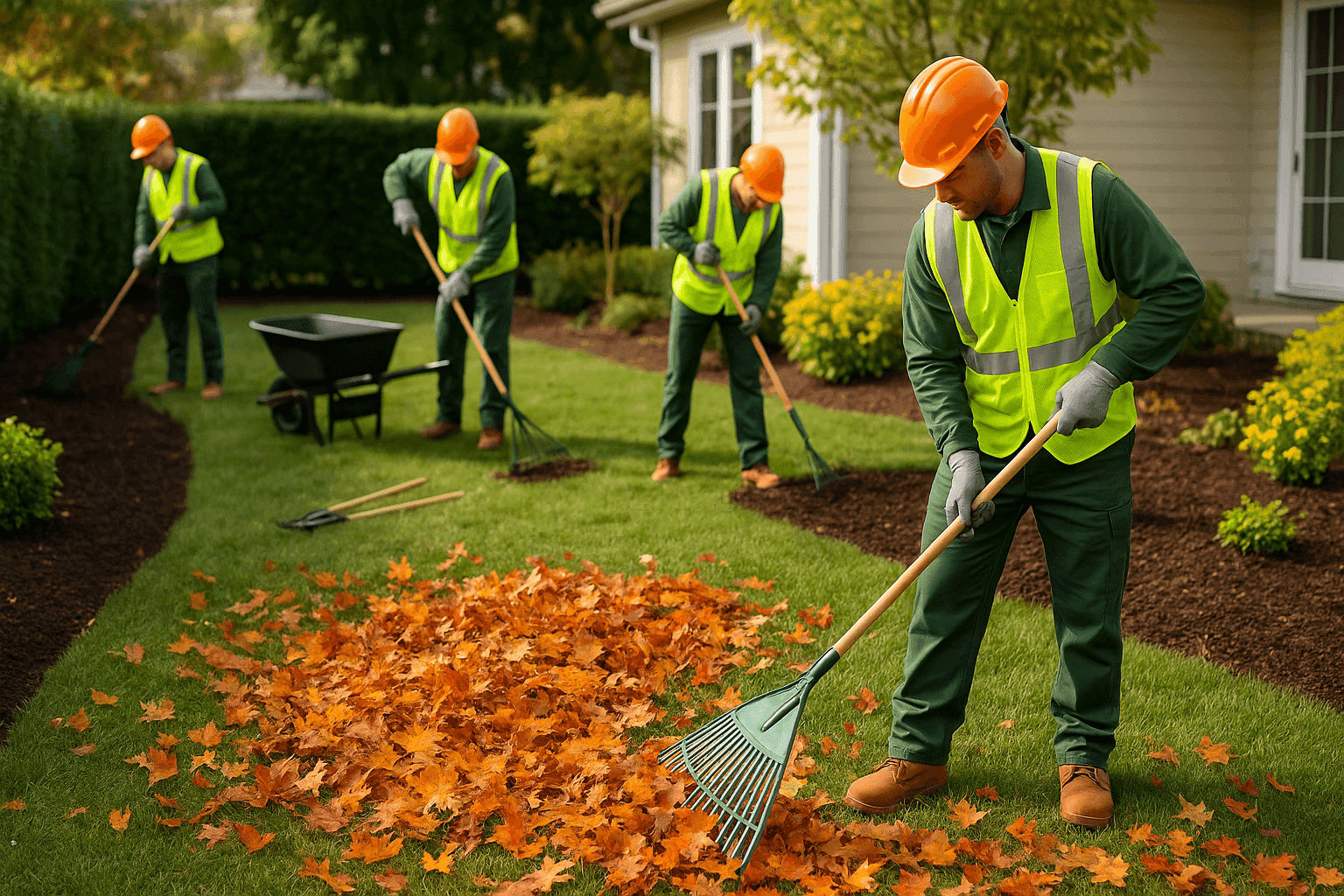
Every property tells a story. Whether it’s a sunlit backyard or the grounds around a bustling office, the seasons write their chapters in leaves, grass, and soil. When spring or fall rolls in, the work doesn’t wait. And neither should you.
At J & G Landscaping, we’ve seen what happens when cleanups are rushed or skipped. Lawn disease. Pest problems. Slippery walkways. The good news? With the right seasonal routine, your landscape can thrive year-round—no matter the climate.
Why Seasonal Cleanups Matter 🍂
Think of your outdoors like a living, breathing canvas. Each season leaves marks—fallen leaves, tangled branches, or worn-out grass. If left unchecked, these small messes can grow into big headaches.
Neglecting cleanups can invite unwanted guests: insects, mold, and plant diseases. Fallen leaves can choke out new grass. Blocked drains from yard debris can cause flooding. Even sturdy retaining walls near you can shift when roots and debris pile up.
Regular spring and fall cleanups keep your landscape healthy, safe, and beautiful. For commercial spaces, a tidy exterior means a welcoming first impression. For homeowners, it’s peace of mind and curb appeal.
Spring Cleanup Checklist
Spring is your fresh start. As the snow melts and buds appear, here’s what to tackle:
- Lawn Care: Rake leftover leaves and debris. Aerate compacted soil to let roots breathe.
- Garden Bed Maintenance: Remove winter mulch, dead plants, and weeds. Edge beds for crisp lines.
- Pruning: Trim back shrubs, hedges, and ornamental grasses. Cut away winter damage.
- Soil Testing: Check pH and nutrients. Amend soil as needed for healthy growth.
- Mulching: Add a fresh layer to lock in moisture and deter weeds.
- Irrigation System Check: Test sprinklers and drip lines. Fix leaks before the summer heat.
- Walkways & Hardscapes: Sweep paths clear. Power wash patios and outdoor seating areas.
- Pest & Disease Check: Inspect for pests and fungal spots. Early action saves headaches later.
Tip: Don’t compost diseased plant material. Bag and dispose to avoid spreading issues.
Fall Cleanup Essentials
Autumn is nature’s last call before winter. Use this time to tuck your landscape in for a restful season.
- Leaf Removal: Clear leaves from lawns, beds, and drains. Matted leaves suffocate grass and breed mold.
- Lawn Care: Last mow of the season. Fertilize with a slow-release mix.
- Garden Bed Cleanup: Pull annuals, cut back perennials, and remove weeds.
- Pruning: Remove damaged or dead tree branches—especially those near power lines or rooftops.
- Mulching: Top up beds to insulate roots from freeze-thaw cycles.
- Gutter Cleaning: Prevent water damage by clearing debris from gutters and downspouts.
- Irrigation Blowout: Drain sprinklers and hoses to prevent pipes from bursting in the cold.
Safety tip: Wet leaves can turn walkways into ice rinks. Prioritize paths, steps, and driveways.
Post-Storm and Emergency Cleanups 🌪️
Storms don’t follow the calendar. When heavy winds or rain hit, a quick response matters:
- Debris Removal: Clear broken branches, fallen trees, and scattered trash.
- Assess Damage: Check retaining walls, patios, and fences for shifting or cracks.
- Drainage Checks: Make sure water flows away from foundations and walkways.
- Hazardous Trees: Watch for hanging branches or leaning trunks—call a pro for risky removals.
After a storm, safety comes first. Wear gloves, boots, and eye protection. If power lines are down or large trees are involved, always call professionals.
Timely Cleanups: Why They Matter
Think of cleanups as an insurance policy for your landscape. Regular attention prevents:
- Lawn diseases like snow mold and brown patch.
- Pest infestations (grubs, ants, rodents).
- Costly repairs to irrigation or hardscape features.
- Slips and falls on walkways or patios.
According to the University of Minnesota Extension, seasonal landscape maintenance is key for both plant health and property safety. Delaying even a week or two can mean the difference between a quick fix and a long, expensive recovery.
DIY Tips vs. When to Hire Pros
Many homeowners and property managers wonder: Can I tackle cleanup myself, or is it time to bring in a crew?
DIY Tasks
- Raking and bagging leaves.
- Light pruning of shrubs and perennials.
- Basic lawn mowing and edging.
- Cleaning out small garden beds.
Call a Pro For
- Large tree trimming or removal.
- Complex irrigation system repairs.
- Intensive pest control or fertilization.
- Hardscaping (retaining walls, patios, walkways).
- Heavy debris removal or post-storm cleanups.
If the job requires ladders, power tools, or specialized knowledge (like soil testing or fountain maintenance), play it safe—call J & G Landscaping. We’re equipped for residential and commercial jobs, large or small.
What Professionals Do On Arrival
When you hire a landscaping team, here’s what to expect:
- Site Assessment: Walk the property, noting hazards, drainage, and structural issues.
- Safety Setup: Use proper gear (gloves, hard hats, eye protection).
- Efficient Workflow: Crews divide and conquer—lawn care, pruning, bed cleanup, and more.
- Equipment: Commercial-grade blowers, trimmers, and mowers save time and ensure thorough results.
- Final Walkthrough: Make sure nothing’s missed. Tidy up all debris and haul it away.
Professionals follow local codes and safety guidelines—like those from the Occupational Safety and Health Administration (OSHA). This protects your property and anyone on it.
Prevention & Maintenance
A little work now saves a lot of work later. Smart prevention keeps your landscape strong all year:
- Regular Inspections: Walk your property every month. Look for new weeds, pests, or damaged features.
- Consistent Mulching: A 2-3” layer protects roots and discourages weed growth.
- Water Management: Adjust irrigation by season. Overwatering in the fall can cause root rot.
- Prune with Purpose: Remove crossing or damaged branches before they cause bigger problems.
Healthy landscapes are like well-tuned engines—they run best with steady care, not last-minute fixes.
Costs & Time Factors
How much time and money should you plan for? It depends on:
- Property Size: Larger spaces require more hours and materials.
- Type of Cleanup: Light leaf removal takes less time than full garden bed renovation.
- Accessibility: Steep slopes, fences, or tight spaces can slow down the process.
- Equipment Needs: Some tasks require specialty tools or machinery.
On average, expect a small residential yard to need 4–8 hours per cleanup season. Commercial sites, or properties with extensive hardscaping and water features, may take a full day or more.
Investing in regular maintenance often lowers long-term costs by preventing expensive repairs.
When It’s an Emergency
Sometimes, cleanup can’t wait. If you notice:
- Downed trees blocking driveways or entrances.
- Flooded lawns or water pooling by foundations.
- Exposed power lines or broken irrigation.
- Major pest infestations.
Call in help immediately. Quick action protects your property—and everyone on it.
FAQ
How often should I schedule seasonal cleanups?
Twice a year—once in early spring, once in late fall—is standard. Properties with many trees or heavy foot traffic may need more frequent attention.
Can I mulch leaves instead of bagging them?
Yes, as long as the leaves are disease-free and not too thick. Mulching returns nutrients to your lawn but don’t let them smother the grass.
Is pruning in fall or spring better?
It depends. Spring is best for most flowering shrubs; fall is ideal for removing dead or dangerous branches. Check local extension recommendations for specific plants.
Should commercial properties follow different guidelines?
The basics are the same, but commercial sites may need more frequent cleanups to meet safety standards and maintain a polished appearance.
Local and Seasonal Considerations 🌱
No two climates are exactly alike. In colder regions, begin fall cleanups before the first freeze. In warmer areas, watch for lingering pests or weeds that survive mild winters.
If your property has retaining walls near you or intricate hardscaping, inspect for frost heave or shifting after winter. Always clear snow and ice quickly from paths and outdoor seating areas to prevent accidents.
Remember: Adjust your routine for local weather patterns and property features. When in doubt, a quick soil test or walk-through by a pro can reveal what your landscape needs.
Call J & G Landscaping now — or reach us anytime at 855-550-2612 .