Preventing Weeds: Pro Tips for Sustainable Weed Control
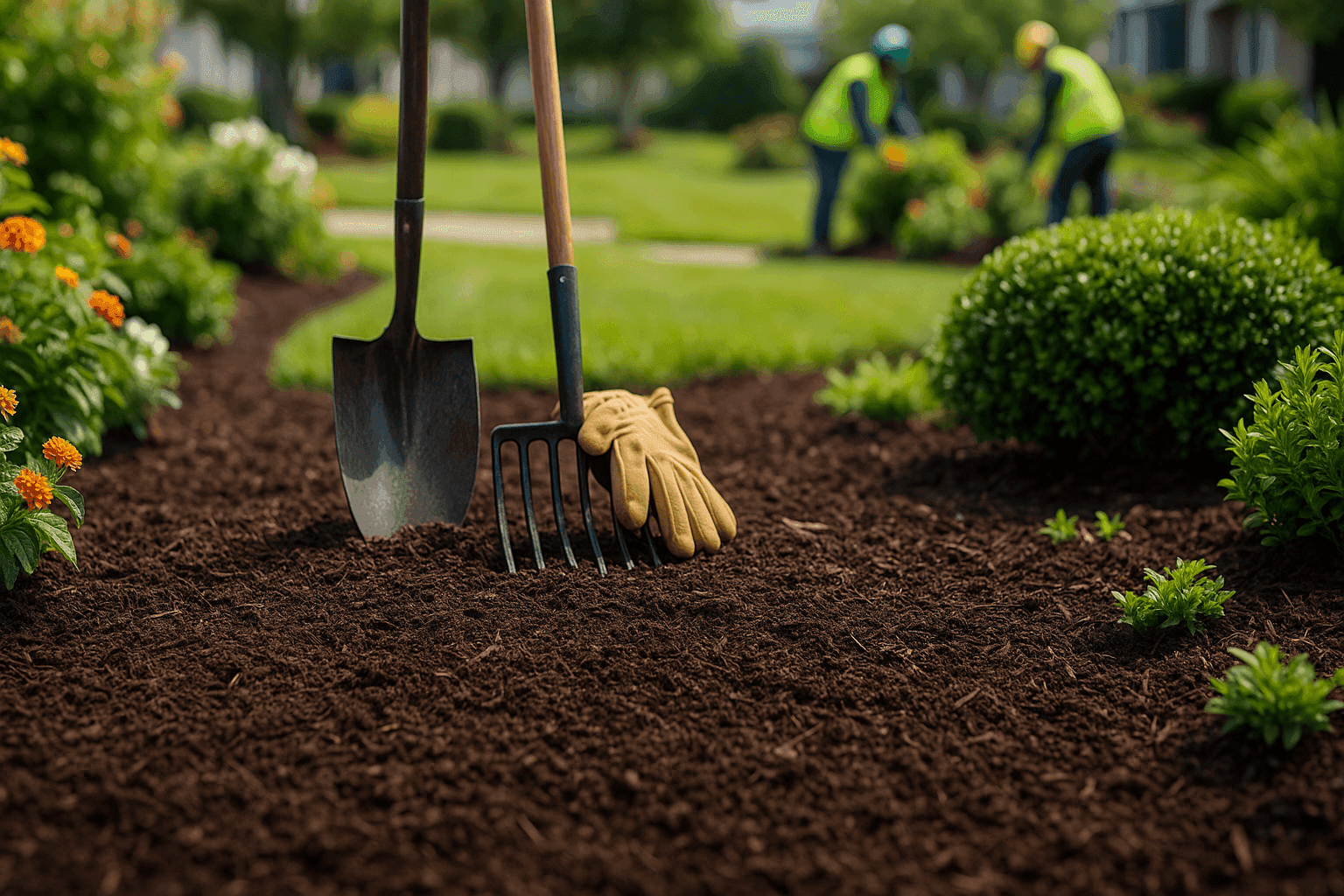
Is your lawn or garden losing the war against weeds? You’re not alone. Weeds are relentless—popping up after every rain, sneaking through cracks, and competing with your favorite plants for space and nutrients.
At J & G Landscaping, we know that sustainable weed control isn’t just about looks—it protects your investment and keeps landscapes healthy for years to come. Whether you manage a backyard garden or a large commercial property, smart prevention is always the best defense.
Common Causes of Weed Infestations 🌱
Weeds don’t just show up without reason. They thrive when we let our guard down. Here’s where trouble usually starts:
- Bare soil: Empty ground is an open invitation for weed seeds.
- Poor soil health: Compacted, nutrient-poor, or imbalanced soil gives weeds the upper hand.
- Overwatering or underwatering: Water stress weakens desired plants, giving weeds room to move in.
- Neglected maintenance: Skipping regular garden bed maintenance, leaf removal, or seasonal cleanups lets weeds gain a foothold.
- Thin turf or weak lawn: Lawns with bare spots or weak growth leave space for broadleaf weeds and grassy invaders.
- Improper mulching: Too little mulch—or the wrong type—lets light reach weed seeds.
Weeds are opportunists. Give them an inch, and they’ll take over your retaining walls, garden beds, patios, and even that pristine new sod installation.
Physical and Organic Control Methods
Chemical weed killers may seem fast, but they’re not always the safest path—especially around kids, pets, or food gardens. Instead, consider these hands-on strategies that support long-term health:
Pulling and Cutting
- Hand pulling: Best for small gardens and beds. Grab weeds by the base and pull slowly to remove the roots.
- Hoeing or cultivating: Use sharp tools to slice weeds off at the soil line. Do this when the ground is dry—wet soil can spread seeds.
- String trimming: For larger areas or along walkways and hardscaping, regular trimming keeps weeds from setting seed.
Organic Barriers
- Corn gluten meal: An organic pre-emergent that can suppress new weeds in lawns.
- Landscape fabric: Blocks sunlight and stops weeds, especially under new garden bed installations or play areas. Top with mulch for best results.
Safe, Targeted Products
When you do need an extra boost, look for products approved by the U.S. Environmental Protection Agency (EPA) and follow all label directions. Always keep children, pets, and pollinators in mind.
How Mulching Prevents Weeds
Mulch is like a warm, protective blanket for your landscape. It keeps soil moist, insulates roots, and—most importantly—blocks sunlight from reaching weed seeds.
But not all mulch is created equal. Here’s how to get it right:
- Choose natural mulch: Shredded bark, wood chips, pine needles, or certified compost work best for garden beds and around trees.
- Apply 2–3 inches deep: Too little won’t block weeds. Too much can suffocate roots or encourage pests.
- Keep mulch away from stems/trunks: Leave a gap to prevent rot.
- Refresh yearly: Old mulch breaks down over time—top it off each spring or after seasonal cleanups.
For commercial properties, consider stone mulch or rubber mulch in high-traffic areas. These last longer and stand up to heavy use.
Long-Term Prevention Strategies 🌻
Think of weed prevention like building a sturdy fence—it takes planning and regular upkeep. Here’s how to outsmart weeds season after season:
Soil Health and Testing
- Schedule regular soil testing. Balanced nutrients and pH help turf and garden plants out-compete weeds.
- Add organic matter (like compost) to encourage strong roots and microbial life.
Dense Planting and Lawn Care
- Thick turf: Overseed bare spots and fertilize lawns in fall and spring.
- Crowding: Plant flowers and shrubs close enough to shade out weeds—just don’t overcrowd.
- Proper mowing: Keep grass tall enough (typically 3”) to shade soil and discourage weed germination.
Irrigation and Drainage
- Use drip irrigation or soaker hoses to deliver water right where plants need it—less runoff means fewer weed seeds sprouting.
- Fix drainage issues around retaining walls, patios, and walkways to keep soil healthy.
Ongoing Maintenance
- Schedule regular garden bed maintenance, leaf removal, and hedge trimming.
- Clean up fallen leaves and debris to remove hiding spots for weed seeds.
- Address issues quickly—one weed today can mean hundreds tomorrow.
Weed Prevention for Residential vs. Commercial Spaces
Residential Yards
- Focus on garden design that limits open soil.
- Use ornamental groundcovers and mulch in beds.
- Regularly inspect play areas, patios, and walkways for weeds sneaking in through cracks.
Commercial Properties
- More traffic means more weed spread—consider walk-off mats and regular hardscape cleaning.
- Use durable mulching options around parking lots, outdoor seating areas, and entryways.
- Schedule professional landscape maintenance for large properties to save time and prevent costly outbreaks.
Safe Product Choices for Sustainable Control
Look for products labeled for organic gardening or those certified by the EPA. When in doubt, consult the manufacturer’s safety data or local extension services for guidance on safe, effective weed control. Always follow local codes and disposal guidelines—especially for commercial or public spaces.
Regular Garden Bed Maintenance—Your Secret Weapon
A weed-free landscape isn’t a “set it and forget it” project. Consistent attention is key. Here’s a quick maintenance checklist:
- Weekly walk-throughs to spot new weeds early
- Monthly mulching touch-ups, especially after heavy rain
- Seasonal cleanups—fall leaf removal, spring garden bed cleanup, and winter snow removal to prevent compaction
- Prune and trim trees, hedges, and shrubs so sunlight reaches where you want it—not where weeds want to grow
FAQ: Weed Control and Prevention
How often should I mulch my garden beds?
Refresh mulch at least once a year, ideally in spring. Touch up after storms, cleanups, or whenever you see thin spots.
Can I use vinegar or boiling water for weeds?
These methods can work for small, isolated weeds in cracks or hardscape, but be careful—they can harm nearby plants and soil.
What’s the safest way to control weeds around play areas?
Use organic mulch or hand-pull weeds. Avoid chemical herbicides in spaces where kids or pets play.
Are there any local or state regulations I should know about?
Yes. Always check for restrictions on herbicide use, especially in public spaces, near water features, or for commercial properties. Refer to your local Cooperative Extension or city guidelines for up-to-date rules.
Seasonal and Local Considerations 🍁
- Spring: Early mulching and garden bed cleanup prevent the first wave of weeds.
- Summer: Stay alert after storms or heatwaves—these stress lawns and let weeds sneak in.
- Fall: Tidy up leaves, overseed lawns, and prep for winter. Some weeds germinate in cool weather!
- Winter: Snow removal matters—packed snow can create bare patches come spring, ripe for weeds.
Local rainfall, temperature, and soil type all affect weed pressure. If you’re unsure, consult your local extension service for region-specific advice.
A weed-free landscape is a marathon, not a sprint. Whether you’re a homeowner, property manager, or business owner, the right prevention and regular care make all the difference. Want your landscape to look its best—all year, every year?
Call J & G Landscaping now — or reach us anytime at 855-550-2612 .