Outdoor Lighting Design: Enhance Safety and Curb Appeal
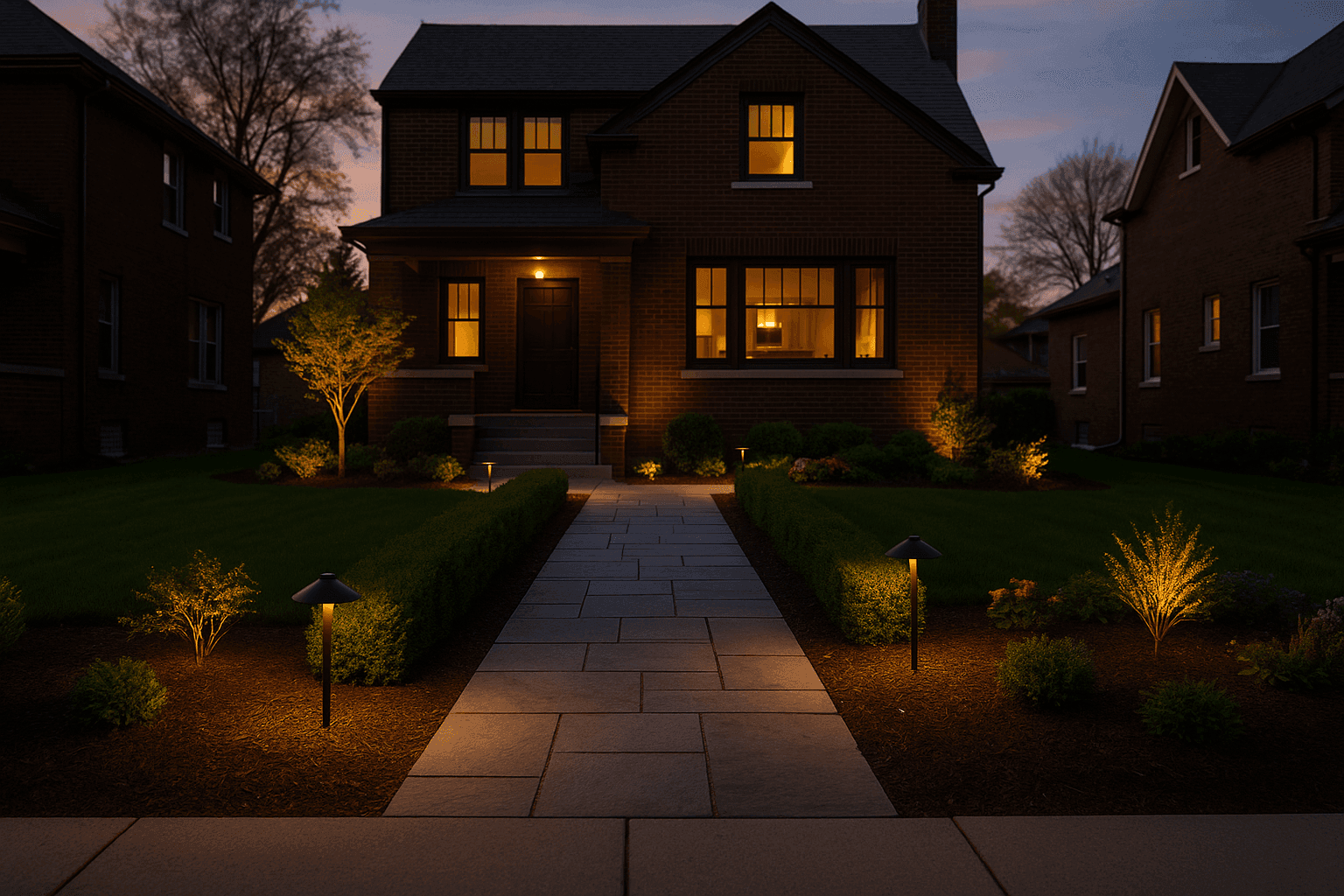
When night falls, your property shouldn’t fade into darkness. Outdoor lighting transforms the ordinary into the striking—inviting you home, guiding guests, and quietly deterring what you don’t want lurking in the shadows.
At J & G Landscaping, we know a well-lit yard is more than just a pretty face. It’s about safety. It’s about feeling at ease. It’s about creating a space where every evening feels a little more magical, whether you’re a homeowner or managing a commercial property.
Why Outdoor Lighting Matters
Imagine pulling up to a home where walkways glow gently, entrances stand out, and garden beds shine without harshness. Outdoor lighting is the unsung hero of landscaping. It helps prevent trips and falls by illuminating paths and changes in elevation—critical for families and businesses alike. It highlights the beauty of your trees, retaining walls, and flower beds, casting your landscape in its best light.
But it’s not just about looks. According to the U.S. Department of Energy, proper exterior lighting can reduce crime and improve nighttime security. When you light up dark corners, you make your property less appealing to trespassers. You also make it easier for emergency services to find you if needed.
In short: Outdoor lighting doesn’t just show off your yard—it protects it.
Types of Landscape Lighting Fixtures 🌟
Not all lights are created equal. Picking the right fixture is like choosing the right shoes for the terrain—get it right, and every step is effortless.
Common outdoor lighting types:
- Path Lights: Short posts with a diffused light. Perfect for marking walkways, driveways, and garden edges.
- Spotlights: Aim these at focal points like trees, sculptures, or retaining walls. They add drama and depth.
- Floodlights: Wide beams for broad coverage—good for driveways, building corners, or large play areas.
- Step and Deck Lights: Built into stairs or patio edges to prevent stubbed toes and missteps.
- Well Lights: Installed flush with the ground. Subtle, but powerful—think under hedges, in garden beds, or near water features.
- Post Lights: Taller fixtures for entrances or along fences.
- String and Festoon Lights: Not just for parties. These create a cozy vibe for outdoor kitchens or seating areas.
- Underwater Lights: For ponds and fountains, bringing water features to life after sunset.
Each fixture plays a role. Together, they turn your property into something special.
Design Tips for Pathways and Entrances
A little planning goes a long way. Here’s how to layer light for safety and style:
1. Start With Safety
- Light all main walkways, steps, driveways, and entrances.
- Space path lights about 6–8 feet apart—enough for even coverage without glare.
- Use shielded fixtures to focus light downwards and avoid blinding passersby.
2. Layer for Comfort
Think of lighting your yard like painting a picture. You want highlights, midtones, and shadows—not a flat wash of light.
- Combine different fixture types. Path lights for navigation. Spotlights for accents. Deck lights for surprise.
- Don’t overdo it. Too much light can feel harsh and waste energy.
- Use warm color temperatures (2700K–3000K) for a welcoming feel.
3. Highlight Features
- Accent retaining walls, garden beds, and specimen trees.
- Frame entrances and patios with subtle up-lighting.
- Let water features and fountains shimmer with underwater or adjacent lights.
4. Think About Glare
- Position lights at knee-height or lower where possible.
- Angle spotlights away from windows.
- Use frosted lenses or diffusers to soften beams.
Pro tip: Walk your property after dark before installing. Imagine you’re a guest—where do your eyes (and feet) go?
Energy Efficient Lighting Solutions 💡
Wasting energy is like watering a garden bed in a rainstorm—costly and pointless. Modern outdoor lighting can be both beautiful and frugal.
Why choose LED?
- Lower Energy Use: LEDs use up to 75% less electricity than old-school bulbs (U.S. Department of Energy).
- Longer Life: Fewer replacements—good for those hard-to-reach spots.
- Cooler Operation: Less heat means less risk around mulch, leaves, or wood chips.
- Smart Controls: Timers, motion sensors, and photocells save even more energy.
Maintenance checklist:
- Inspect fixtures every season. Clean lenses, check for exposed wires, and trim back plants.
- Replace bulbs with the same wattage and color temperature.
- Adjust timers and sensors for daylight savings or seasonal changes.
Solar options: A sunny yard? Solar path and accent lights offer easy, wire-free setup. Just keep them clear of shade and clean the panels regularly.
How Proper Lighting Enhances Security and Curb Appeal
Let’s face it: A dark property is an open invitation to missteps—and mischief. Outdoor lighting acts like a friendly watchman, making sure everything stays visible and welcoming.
- Security: Well-lit driveways, entrances, and perimeter zones help deter trespassers.
- Navigation: Guests and family navigate safely, even on uneven paths or steps.
- Curb Appeal: Lighting draws attention to landscaping features—retaining walls, garden beds, patios, and water features stand out, boosting your property’s value.
Homeowner & Property Manager Lighting Checklist
- [ ] Walk your property at night—note dark spots and hazards.
- [ ] List the areas needing light: entrances, driveways, walkways, patios, play zones.
- [ ] Choose fixture types for each area.
- [ ] Select LED or solar options where possible.
- [ ] Plan for timers, motion sensors, or smart switches.
- [ ] Schedule seasonal maintenance: cleaning, bulb checks, plant trimming.
Maintaining Your Outdoor Lighting
Rain, snow, and wind take their toll. Keep your lights working their best:
- Clean fixtures and lenses each season.
- Check for exposed wiring after storms or yard work.
- Clear debris and overgrown plants.
- Replace bulbs promptly. Flickering is a warning sign.
- Test timers and motion sensors.
The National Electrical Code (NEC) sets safety standards for outdoor lighting. If you’re not sure about wiring or voltage, call a professional.
LED vs. Traditional Bulbs: Which Is Best?
- LED: Long life, low energy, less maintenance. Slightly higher upfront cost but pays off quickly.
- Incandescent/Halogen: Warmer light but higher energy use and shorter life.
- Solar: Great for accent lights. Less reliable in shady or cloudy areas.
For most landscaping projects, LED is the clear winner.
Professional Installation vs. DIY
Small projects—like solar path lights—are often DIY-friendly. But for larger systems, especially those with hardwired fixtures, timers, or integrated smart controls, a pro brings peace of mind.
- Correct fixture placement and voltage
- Safe wiring and code compliance
- Custom design for your property’s unique needs
Saving money by skipping a professional is like building a retaining wall without a solid base—it might work for now, but problems can show up fast.
Frequently Asked Questions
How bright should my outdoor lights be?
Aim for 100–200 lumens for path lights, 700–1300 for floodlights. You want gentle guidance, not stadium glare.
Can outdoor lights be left on all night?
With LEDs and smart timers, yes. But use motion sensors for security zones to save energy.
How do I protect fixtures from weather?
Choose lights rated for outdoor use (look for “wet location” labels). Inspect after storms and clean regularly.
Is outdoor lighting safe around water features?
Yes, with properly rated underwater or submersible fixtures. Always use GFCI outlets and follow local codes.
Local and Seasonal Considerations
Our region brings four seasons—and each one asks something different of your landscape lighting.
- Winter: Snow can bury fixtures, so keep them clear. Use lights to mark walkways and driveways for snow removal.
- Spring: Check for winter damage. Clean and adjust all fixtures.
- Summer: Trim back fast-growing plants that block lights.
- Fall: Remove leaves and debris. Adjust timer settings as days get shorter.
For commercial properties, outdoor lighting is also about branding and customer safety. Well-lit signage, parking lots, and entrances show you care about every visitor’s experience.
Ready to brighten up your property and boost safety—without wasting energy or missing curb appeal?
Call J & G Landscaping now — or reach us anytime at 855-550-2612 .