How Much Does Professional Lawn Care Cost? What to Expect
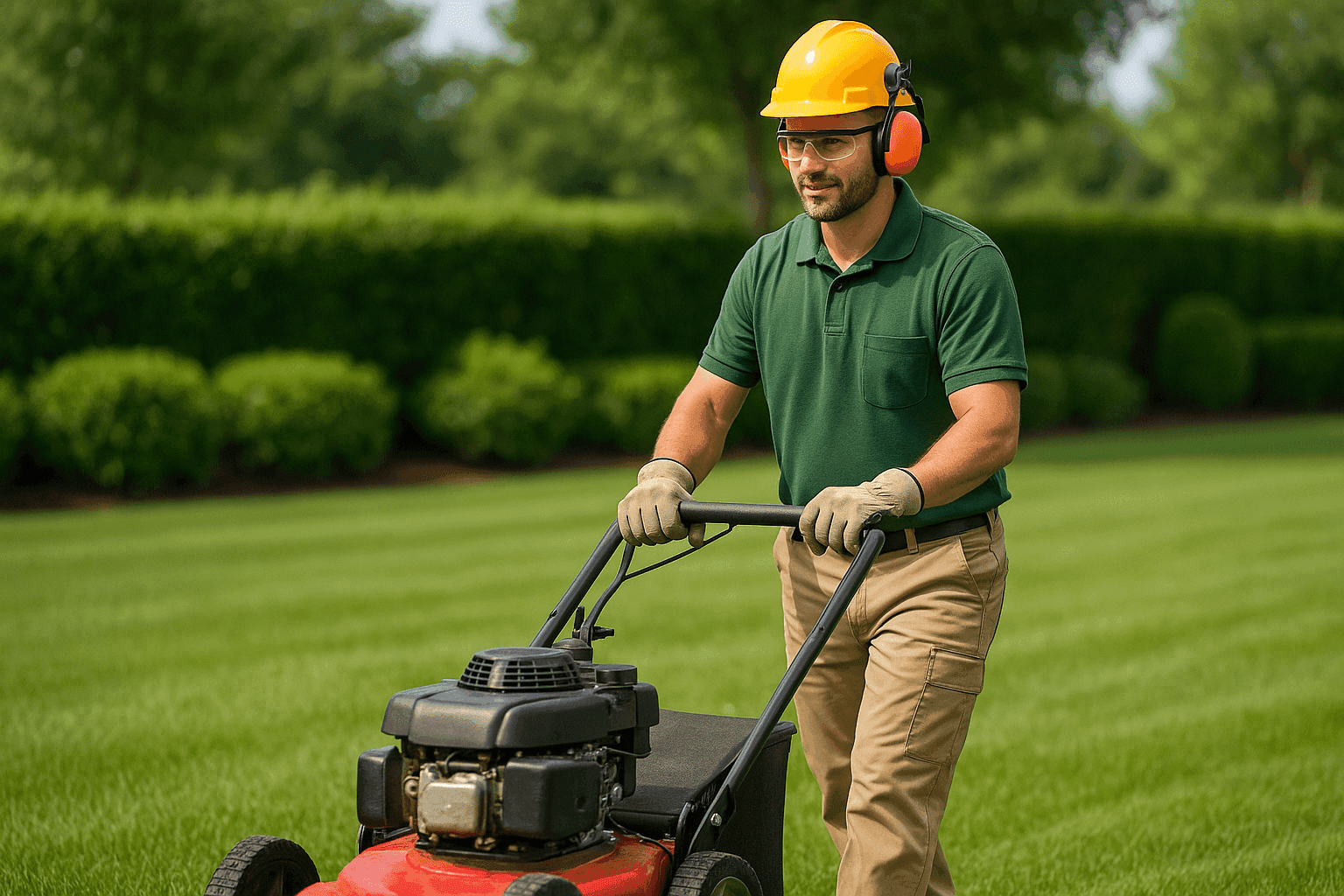
Is your lawn looking tired? Maybe you’re wondering if a professional touch is worth the investment—or you’re surprised by how much estimates can vary. At J & G Landscaping, we meet homeowners and property managers every day with the same questions. What will it really cost? Will I get my money’s worth?
You deserve answers, not guesswork. Let’s cut through the confusion and dig into what actually goes into professional lawn care pricing.
What Affects Lawn Care Costs? 🌱
Lawn care isn’t one-size-fits-all. The price can shift like the weather. Here’s why:
- Property Size: More ground to cover means more labor, more materials, more cost. A cozy front yard and a sprawling estate won’t fall in the same ballpark.
- Service Frequency: One-time cleanups cost differently than regular weekly or monthly maintenance. Think of it like a gym membership: the more often, the more predictable the price.
- Service Scope: Are you looking for just mowing? Or does your wish list include hedge trimming, mulching, soil testing, and flower bed design?
- Landscaping Complexity: Slopes, intricate walkways, Retaining Walls near you, mature trees, and water features add labor time and expertise.
- Seasonal Surcharges: Busy seasons mean higher demand. Spring cleanups and autumn leaf removal often carry premiums. Winter snow removal is priced by storm or by season.
- Commercial vs. Residential: Commercial properties often pay more due to larger grounds, stricter scheduling, and extra liability requirements.
- Equipment Needs: Specialty tools, like aerators or irrigation system testers, can factor into price—especially if your landscape has unique challenges.
No two lawns are twins. The right price takes your property’s quirks into account.
Typical Services and Price Ranges
Let’s break down what you might see on an invoice. Keep in mind, these are general ranges—your quote may vary based on location, lawn condition, and service details.
Common Services
- Mowing & Edging: Usually charged per visit. Small yards might start around $40–$60, while large properties can reach $100 or more.
- Lawn Fertilization & Weed Control: Expect $50–$100 per treatment, depending on product type and lawn size.
- Aeration & Overseeding: Often packaged together, averaging $80–$250.
- Mulching & Garden Bed Maintenance: Mulch installation typically runs $100–$300, depending on bed size and mulch type.
- Retaining Walls, Hardscaping, Patios: These are project-based and can range from $1,000 to $10,000+, shaped by materials, design, and site prep.
- Tree Trimming & Shrub Pruning: Usually estimated per hour or per tree/shrub—anywhere from $75–$500 depending on complexity.
- Seasonal Cleanups & Leaf Removal: Fall or spring cleanups can cost $100–$500, depending on debris and yard size.
- Irrigation System Installation or Repair: New installations range from $1,500–$4,000; repairs vary widely.
- Snow Removal: Per push rates may start at $40–$100 for driveways and walks; commercial lots are priced higher.
These are just a few examples. Specialty services like pond installation, fountain setup, or outdoor kitchens follow project-based pricing.
DIY vs Professional Costs
You might wonder: Why not just do it myself? For some, DIY lawn care is a weekend ritual. For others, it’s a headache waiting to happen.
DIY Costs
- Equipment: Lawn mowers, trimmers, aerators, and spreaders add up—often $300–$2,000+ over time.
- Materials: Fertilizer, seed, mulch, and pest control products come out of your pocket.
- Time: Your weekends, evenings, and sweat equity.
- Risk: Mistakes can cost you more in the long run—think over-fertilization, scalped grass, or poor drainage.
Professional Value
- Experience: Crews know local soil, weather, and pests. They follow industry best practices and guidelines from organizations like the National Association of Landscape Professionals (NALP).
- Efficiency: What takes you hours, a pro team can finish in a fraction of the time.
- Results: Consistent, curb-appeal-boosting landscapes that help your property shine.
DIY is like baking a cake from scratch—rewarding, but sometimes messier and more expensive than you expect.
How to Get the Best Value
Not every landscaping company is created equal. Here’s how to make sure you’re getting real value, not just a low price:
- Request Detailed Quotes: Make sure your estimate breaks out each service. Are mulch, edging, and cleanup included, or extra?
- Ask About Packages: Many companies offer recurring service bundles at a discount, like weekly mowing paired with fertilization.
- Check Crew Credentials: Are employees trained in safe equipment use and local plant care? Is the company insured?
- Read the Fine Print: Avoid hidden fees for haul-away, overtime, or equipment use. Ask about surcharges for “surprise” tasks like unexpected weed outbreaks or storm debris.
- Look for Value-Added Services: Some providers include irrigation checks, soil testing, or pest inspections with regular maintenance.
- Compare Apples to Apples: Make sure you’re comparing similar services and frequency—not just the bottom line.
- Review Safety Practices: Reputable crews follow OSHA guidelines for equipment, chemical use, and on-site behavior.
A good landscaping team is like a pit crew: fast, skilled, and focused on keeping your property in peak condition.
DIY vs Professional Costs
It’s tempting to save by rolling up your sleeves. But tally up the cost of equipment, materials, time, and potential mistakes. For many, hiring a professional is actually the smarter, more affordable option over time—especially for complex projects like Retaining Walls near you or irrigation systems.
What Determines a Fair Price?
- Transparent Bids: Expect clear, itemized quotes.
- No Surprise Charges: Upfront info about fees for extra debris, storm cleanup, or off-schedule visits.
- Consistent Crews: You should see the same trained professionals, not a revolving door of unknown workers.
- Responsive Communication: Questions answered quickly, schedule changes explained, and feedback encouraged.
What to Expect from Professional Crews
Your first visit should feel organized and professional. Here’s what usually happens:
- Walkthrough & Assessment: Crews assess your lawn, soil, and landscape features. They’ll ask about pet areas, irrigation, and problem spots.
- Safety First: Following ANSI and OSHA guidelines, they check for hazards—like exposed roots, debris, or sprinkler heads.
- Clear Communication: You’ll know what’s being done, when, and why.
- Respect for Property: Gates closed, sidewalks swept, and all equipment removed at day’s end.
Comparing Providers: Practical Tips
- Ask for References: Happy customers are a good sign.
- Check Insurance: Protects you from liability if there’s an accident.
- Review Certifications: Look for memberships in regional or national landscaping organizations.
- Understand Seasonal Surcharges: Clarify how pricing may change for spring/fall cleanups or snow removal.
- Read Reviews Carefully: Focus on comments about reliability, communication, and consistent results.
Frequently Asked Questions
How often should I schedule professional lawn care?
Most residential lawns thrive with weekly or biweekly visits in growing season. Commercial properties may require more frequent service, especially for high-traffic areas.
Is it worth paying extra for seasonal cleanups?
Yes—seasonal cleanups help prevent pests, mold, and turf damage. They also prep your property for the next season, saving you money in the long run.
Can I save by bundling services?
Often, yes. Many landscaping companies offer package rates for combining mowing, trimming, fertilization, and garden bed care.
What if I need a specialty project, like a fire pit or Retaining Wall near me?
Specialty projects are quoted separately, based on materials, labor, and design complexity. Always ask for a detailed estimate.
Local and Seasonal Considerations
Your region’s climate and soil type can affect both the cost and frequency of care. For example, heavy clay soils may require more aeration; sandy soils might need extra fertilization. In areas with harsh winters, snow removal and spring recovery services can add to annual costs.
Stay aware of local code and safety guidelines—for example, some municipalities require backflow prevention on irrigation systems or restrict chemical use near waterways. A reputable landscaping provider will know what’s required and keep you compliant.
The Bottom Line
Professional lawn care is an investment in your property’s health, safety, and value. Like any investment, it’s worth understanding where your money goes. At J & G Landscaping, we believe in clear pricing, skilled crews, and real results—so you can enjoy your outdoor space, not stress over it.
Call J & G Landscaping now — or reach us anytime at 855-550-2612 .